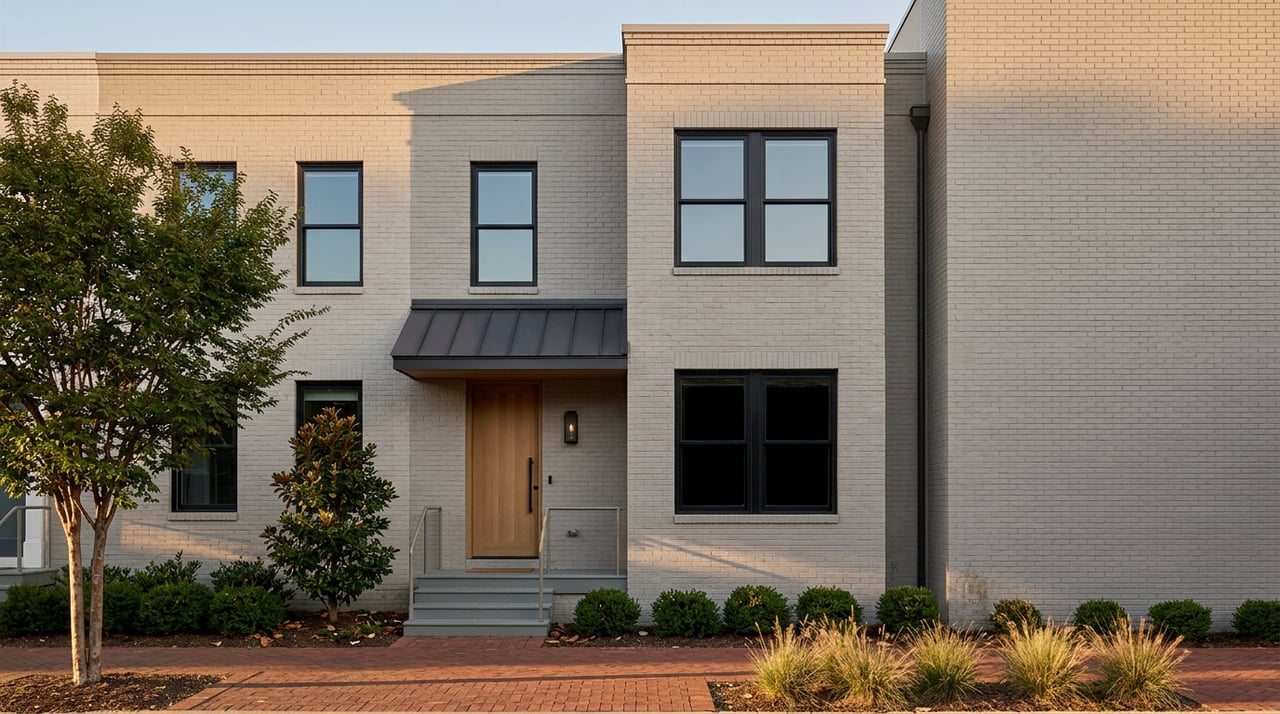
Atlanta Neighborhood Index Walkability Guide | 2026
Most Walkable Neighborhoods in Atlanta GA: 2026 Guide
Atlanta Walkability Guide 2026
Most Walkable Neighborhoods in Atlanta GA
Atlanta's overall Walk Score is 48 out of 100 — car-dependent by national standards. But that number hides a patchwork of genuinely walkable communities where residents live without a car. The top 8 most walkable neighborhoods in Atlanta score between 82 and 96. All are connected to or near the Atlanta BeltLine, the 22-mile trail loop linking 45 neighborhoods. Here is the ranked list with current scores, key amenities, and what each neighborhood means for buyers searching in Atlanta in 2026.
96Georgia State University
93Buckhead Village
91Sweet Auburn
90Downtown Atlanta
87Midtown
Walk Scores sourced from Walk Score / Redfin / ApartmentGuide (verified 2025-2026)
Overview
Is Atlanta a Walkable City?
Walkability measures how well a community supports walking, biking, and active transport rather than driving. The factors that determine walkability include a good mix of residential and commercial uses, pedestrian amenities, nearby parks and open spaces, access to public transportation, and a neighborhood center such as a downtown area or main street.
Metro Atlanta has an overall Walk Score of 48 out of 100, technically car-dependent. Urban sprawl and heavily trafficked arterials are the main causes. But that average is pulled down by the vast suburbs. Within the city limits, the story is very different: Atlanta ranks among the top walkable cities of similar population in the US, driven by the BeltLine's 22-mile trail loop connecting 45 neighborhoods, MARTA rail access, and a growing concentration of mixed-use development around walkable cores.
For buyers prioritizing walkability, the key question is not "is Atlanta walkable" but "which neighborhood in Atlanta is walkable." The table below answers that directly. Explore Buckhead, Midtown, and Virginia Highland neighborhood guides.
Rank | Neighborhood | Walk Score | What Makes It Walkable | Best For |
|---|
1 | Georgia State University | 96 | Walker's Paradise. 150+ restaurants and services within walking distance. MARTA rail. Georgia State Stadium, Hurt Park. | Students, urban professionals, car-free buyers |
2 | Buckhead Village | 93 | 140+ restaurants, shops, bars. PATH400 trail access. Buckhead MARTA station nearby. High-end retail and services. | Urban professionals, luxury buyers, downsizers |
3 | Sweet Auburn | 91 | Historic district. 100+ restaurants and bars. Transit Score 70, Bike Score 81. Martin Luther King Jr. National Historic Park. | History buffs, culture-first buyers |
4 | Peachtree Center / Downtown | 90-91 | 200+ restaurants within walking distance. MARTA Peachtree Center station. Georgia Aquarium, Centennial Olympic Park nearby. | Corporate commuters, urban buyers |
5 | Midtown | 87 | 370 restaurants, bars, cafes. 300+ acres of parks including Piedmont Park. Fox Theatre, High Museum of Art. Six bus lines, MARTA rail. | Arts and culture buyers, young professionals |
6 | Inman Park | 87 | Atlanta BeltLine Eastside Trail runs through neighborhood. Krog Street Market. Victorian homes. Easy walk to Ponce City Market. | Families, BeltLine enthusiasts, history buffs |
7 | Virginia Highland | 85 | 146 restaurants, bars, coffee shops. Four distinct commercial districts. BeltLine access. Four bus lines. Eclectic independent retail. | Young professionals, foodies, community seekers |
8 | Old Fourth Ward | 82 | BeltLine Eastside Trail. Ponce City Market. Historic lofts and modern apartments. Krog Street Market. King Memorial MARTA. | Trendy urban buyers, BeltLine access seekers |
Find Your Walkable Neighborhood
The SET Real Estate Group Specializes in Atlanta's Most Walkable Communities
Tell us your Walk Score minimum and we'll match you to the right neighborhood and the right home. Currently active listings across Midtown, Buckhead, Inman Park, Virginia Highland, and more.
Neighborhood Profiles
Atlanta's Most Walkable Neighborhoods: In Depth
Located in the prestigious Buckhead district, Buckhead Village is Atlanta's most walkable luxury neighborhood with a Walk Score of 93. The community features more than 140 restaurants, coffee shops, and bars, and residents can walk to an average of 25 dining places in five minutes. The PATH400 trail provides cycling and pedestrian access connecting parks and retail centers, and the nearby Buckhead MARTA station fills transit gaps. The neighborhood features exceptional upscale shops alongside local businesses and independent boutiques. Wide, well-maintained sidewalks and a dense street network make it genuinely pedestrian-friendly compared to most of Buckhead.
Luxury PATH400 Trail MARTA Nearby 140+ Restaurants
With a Walk Score of 87, Midtown is one of Atlanta's most complete urban neighborhoods. It is home to around 370 restaurants, bars, and cafes, and residents can walk to an average of 22 within five minutes. Six bus lines serve the area and MARTA rail provides direct access to the broader metro. Midtown features over 300 acres of parks and open space including Piedmont Park, as well as an extraordinary concentration of cultural venues: the Fox Theatre, the High Museum of Art, the Atlanta Botanical Garden, and the SCAD Museum of Art are all within walking distance. For buyers who want big-city energy without leaving on foot, Midtown delivers.
MARTA Rail Piedmont Park Arts and Culture 370+ Restaurants
Virginia Highland has a Walk Score of 85 and is one of Atlanta's most beloved walkable communities. With around 146 restaurants, bars, and coffee shops, residents can walk to an average of six establishments in five minutes. Virginia Highland provides access to the BeltLine, which features a network of parks, multi-use trails, and the 22-mile railroad corridor connecting 45 neighborhoods. The area is particularly popular for its eclectic independent retail across four distinct commercial districts connected by short residential blocks. The combination of tree-lined streets, Victorian bungalows, and walkable village character makes it one of the most appealing lifestyle destinations in Atlanta for buyers seeking community feel with urban convenience.
BeltLine Access 4 Commercial Districts Independent Retail 146+ Restaurants
Atlanta's first planned residential suburb and first electric trolley neighborhood, Inman Park combines Victorian architecture with one of the best BeltLine connections in the city. The BeltLine Eastside Trail runs directly through the neighborhood, providing walking and biking access to Krog Street Market, Ponce City Market, Old Fourth Ward, and beyond. The neighborhood has a strong independent restaurant and coffee culture with local favorites drawing residents daily without a car. Best for families, history-focused buyers, and anyone for whom the BeltLine is a primary lifestyle factor.
BeltLine Eastside Trail Krog Street Market Victorian Homes Car-Optional
North Atlanta
Walkable Towns in North Atlanta
Most of north Atlanta is car-dependent — the citywide averages for Alpharetta, Roswell, and Dunwoody are all below 25. But each of these communities has at least one walkable district worth knowing about for buyers who want suburban space with some pedestrian life.
Roswell
Canton Street in Historic Roswell has a Walk Score around 79 — the most walkable district in north Atlanta. Restaurants, boutiques, galleries, and weekend farmer's market energy in a historic downtown setting. Roswell citywide is 22, but this district is the exception.
Sandy Springs
Sandy Springs' City Springs development (opened 2019) created a purpose-built walkable civic and retail district at the center of the city — performing arts center, restaurants, City Hall, and green space within a walkable block radius. The most walkable node in Sandy Springs.
Alpharetta / Roswell Border
Avalon is a mixed-use development at the Alpharetta/Roswell border with upscale dining, retail, a 12-screen theater, and regular community events within a walkable pedestrian grid. Not a neighborhood in the traditional sense, but the closest thing to walkable mixed-use development in the Alpharetta area.
For buyers who want north Atlanta suburban comfort with some walkable daily life, these three districts are the right starting points. The SET Real Estate Group can identify specific streets in each area where walkable living is most practical.
For Buyers
How to Search for Walkable Atlanta Homes
If walkability is a key factor in your home search, the most reliable approach is to filter by Walk Score on property search platforms. The numbers don't always capture the lived experience — a neighborhood with a 75 Walk Score and direct BeltLine access may feel far more walkable day-to-day than an 80 Walk Score area with poor sidewalk connectivity.
The SET Real Estate Group's agents live and work across Atlanta's most walkable communities. If you are prioritizing BeltLine access in Inman Park, luxury walkability in Buckhead Village, or Midtown's arts and restaurant density, we can match your priorities to specific streets and specific listings, not just zip codes.
Talk to an Expert
Find a Walkable Home in Atlanta
Tell us your Walk Score minimum, preferred neighborhood, and budget. We will identify current listings that match, including off-market inventory through the Compass network.
Frequently Asked Questions About Walkable Atlanta Neighborhoods
What is the most walkable neighborhood in Atlanta?
Georgia State University is the most walkable neighborhood in Atlanta with a Walk Score of 96, followed by Buckhead Village at 93 and Sweet Auburn at 91. Among neighborhoods popular with home buyers (rather than renters), Buckhead Village at 93 and Midtown at 87 are consistently ranked the top walkable residential communities in the city.
Is Atlanta a walkable city?
Atlanta overall has a Walk Score of 48 out of 100, making it car-dependent by national standards. However, several inner-city neighborhoods score between 82 and 96 and offer genuinely car-free lifestyles. The Atlanta BeltLine's 22-mile trail loop connecting 45 neighborhoods is the single biggest driver of walkability improvement in the city and continues to expand.
Which Atlanta neighborhoods are walkable without a car?
The neighborhoods where car-free living is most realistic are Georgia State University (Walk Score 96), Buckhead Village (93), Sweet Auburn (91), Peachtree Center (91), Downtown Atlanta (90), Midtown (87), Inman Park (87), and Virginia Highland (85). All are either served by MARTA rail or directly connected to the Atlanta BeltLine trail system.
What is the Walk Score for Atlanta?
Atlanta's overall Walk Score is 48 out of 100 as measured by WalkScore.com, which classifies it as "car-dependent." This score covers the entire metro area including heavily suburban areas. Within the city limits, individual neighborhoods range from under 30 (outer suburbs) to 96 (Georgia State University area).
What are walkable towns in north Atlanta?
Most north Atlanta communities are car-dependent, but three districts stand out: Canton Street in Historic Roswell (Walk Score around 79 on individual blocks — restaurants, boutiques, farmers market), City Springs in Sandy Springs (purpose-built mixed-use civic and retail district opened 2019), and Avalon at the Alpharetta/Roswell border (modern mixed-use pedestrian development with dining, retail, and entertainment). These are the exceptions in otherwise car-oriented suburbs — buyers who want north Atlanta walkability should focus their search on properties within walking distance of these specific districts. Explore Roswell or Sandy Springs neighborhood guides.
How does the Atlanta BeltLine affect neighborhood walkability?
The Atlanta BeltLine is a 22-mile multi-use trail loop that connects 45 neighborhoods around Atlanta's urban core. Properties with direct BeltLine access — particularly on the completed Eastside Trail (Old Fourth Ward, Inman Park, Ponce City Market) and the Westside Trail — typically carry a Walk Score premium because the trail enables car-free daily errands, dining, and recreation in multiple directions. BeltLine-adjacent properties in Inman Park, Old Fourth Ward, and Virginia Highland routinely command price premiums over comparable properties in the same neighborhood without trail access. As the BeltLine expands to complete its full loop, additional neighborhoods (Southside, Northwest) will see similar walkability and value effects. Search BeltLine-adjacent listings.
Written by SET Real Estate Group
The SET Real Estate Group is a premier Atlanta-based brokerage serving home buyers and sellers across the city's most walkable neighborhoods since 2010. Our team holds extensive experience in Buckhead Village, Midtown, Inman Park, Virginia Highland, and BeltLine-adjacent properties. All Walk Score data in this guide is sourced from WalkScore.com and verified through Redfin and ApartmentGuide market reports as of 2025-2026.
Atlanta Walkability Specialists
The SET Real Estate Group provides comprehensive Walk Score analysis, BeltLine proximity verification, and buyer representation across Atlanta's most walkable neighborhoods. From Buckhead Village to Inman Park, we match buyers to the right street, not just the right zip code.