Why "Decatur, GA" Home Prices Depend on Which Decatur You Mean
August 13, 2026
August 13, 2026
A buyer comparing neighborhoods across metro Atlanta pulls up three tabs for the same city and gets three different answers. One site puts the average home value in the high $200,000s. Another puts the median sale price north of $700,000. Same city name, same time period, and a $400,000 gap between them. It looks like a typo. It isn't.
The confusion isn't a data error. It's two different markets sharing one mailing address, and untangling which "Decatur" a number is describing matters more than the number itself if you're actually trying to compare this city to Buckhead, Roswell, or East Cobb.
The City of Decatur is small. U.S. News puts its population at 26,261, with a median household income of $142,188. That's a tight, walkable municipality with its own school system, its own historic preservation commission, and its own permitting office.
But "Decatur" as a mailing address stretches well past the city line into unincorporated DeKalb County, an area with a different tax structure, different governance, and a much larger, more varied housing stock. One home inspection company that markets specifically to this market lists its Decatur service area as covering Oakhurst, Winnona Park, Great Lakes, Clairemont-Great Lakes, and Downtown Decatur, all of which sit inside city limits, alongside Belvedere Park, Candler-McAfee, North Decatur, and Medlock Park, all of which don't. Both groups get "Decatur, GA" on their listing.
That's the whole mechanism. When a data source pulls every property with a Decatur mailing address, it's blending a compact, historic, high-demand city with a much larger swath of unincorporated county neighborhoods that trade at different price points. When a source pulls only properties inside the actual city boundary, the number looks entirely different.
Here's what that split looks like when you line the numbers up side by side, all pulled from data covering the first half of 2026:
| Source | Reported Figure | Time Window | What It's Likely Capturing |
|---|---|---|---|
| Redfin | $705,000 median sale price, up 27.4% year-over-year | 3 months ending May 2026 | Closer to true city-limit inventory |
| Houzeo | $715,500 median sale price | March 2026 | Closer to true city-limit inventory |
| U.S. News | $584,977 median home value | 2026 | Tracks a population figure (26,261) consistent with actual city limits |
| Zillow (ZHVI) | $294,196 average home value, down 7.0% year-over-year | Through June 2026 | Broader Decatur-mailing-address footprint |
| Realtytrac | $269,309 median estimated value; individual values ranging from $21,809 to $2,806,530 | 2026 | Full spread across every ZIP code carrying the Decatur name |
That last row is the tell. A single-city dataset showing home values from $21,809 to $2,806,530 isn't describing one market. It's describing a city core and a much larger surrounding footprint stacked into one number, and the median lands somewhere in the middle that doesn't accurately represent either.
If you're comparing Decatur to Buckhead or Roswell using a single median you pulled from a portal, you may be comparing a $700,000 city core to a blended figure that includes homes nowhere near it. Ask which boundary the number is using before you use it to rule a neighborhood in or out.
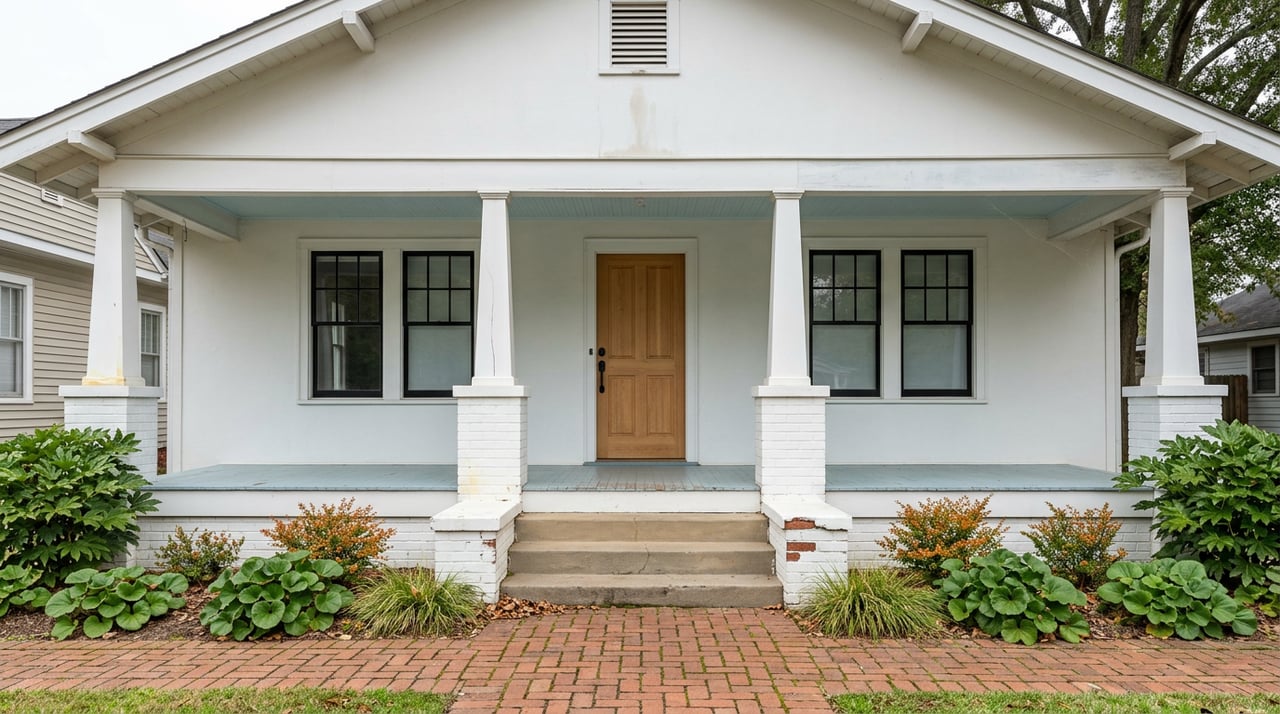
Here's the part that matters more once you've actually found a house you want inside the real city. Decatur was largely built out in the 1920s with Craftsman bungalows, and a meaningful share of that inventory sits inside one of five local historic districts: McDonough-Adams-Kings Highway (known locally as MAK), Clairemont Avenue, Ponce de Leon Court, Parkwood, and Old Decatur. Two individual properties, the Old DeKalb Courthouse and the Old Scottish Rite Hospital campus, carry landmark status on top of that.
If the home you're buying sits inside one of those districts, exterior work needs a Certificate of Appropriateness from the city's Historic Preservation Commission before a building permit can be issued at all. Minor projects can sometimes be handled through a Certificate of Exemption instead, a lighter administrative approval. The fees are modest, $35 for a Certificate of Appropriateness and $10 for a Certificate of Exemption, but the review isn't automatic. The Commission meets once a month, on the third Tuesday at 6:30 p.m. at Decatur City Hall, and applications go into that queue.
This doesn't show up in a median price. It shows up three weeks into your renovation timeline when you realize the new front porch railing or the paint color change needs sign-off from a volunteer board that only convenes twelve times a year.
Older lots in Decatur also tend to carry mature trees, and the city treats them as protected infrastructure. Before filing for any site development, building, plumbing, pool, or utility permit that would remove a tree or disturb the critical root zone of a protected one, the city requires a pre-application meeting with the city arborist. Once a tree removal permit application is actually submitted, complete with an arborist's assessment report, the city processes it in the order received and it can take up to ten business days.
Layer that on top of the historic district review, and a straightforward addition or a rear deck that would take a few weeks in a newer subdivision can stretch out considerably longer in an established Decatur neighborhood. One local remodeling contractor's guide to the permitting process notes plainly that historic district approvals and tree protection coordination are two of the most common reasons a project's timeline runs long. Building codes require a permit for any repair, alteration, or improvement valued over $1,000 or involving structural work, so even a moderate kitchen or bathroom project can trigger the full review chain if the address falls inside a historic boundary.
None of this is a reason to avoid Decatur's older housing stock. It's a reason to ask about it before you write an offer, not after.
If you're using Decatur as one data point in a broader search across metro Atlanta, a few questions get you a real comparison instead of a blended one:
Does every home in a Decatur ZIP code fall under the city's historic preservation rules? No. Only properties inside one of the five named local historic districts, MAK, Clairemont Avenue, Ponce de Leon Court, Parkwood, and Old Decatur, or one of the two individual landmark properties, require a Certificate of Appropriateness. A Decatur mailing address alone doesn't trigger the review.
Does interior work need the same review as exterior work? The Certificate of Appropriateness process is built around material changes to a property's exterior appearance. Interior renovations that don't touch the exterior generally move through the standard building permit process instead, though structural work still requires a permit regardless of location.
How long should I expect a historic district review to add to a renovation timeline? Beyond the standard plan review window, factor in the Historic Preservation Commission's monthly meeting cadence. If your application isn't ready in time for the next scheduled meeting, you're waiting for the one after that.
Comparing neighborhoods on price alone will always flatten the details that actually decide whether a house works for you, and Decatur is a clear example of how much a single median can hide. If you're weighing Decatur's historic core against Buckhead, Roswell, or another Atlanta submarket, SET Real Estate Group can walk through which boundary a given listing actually falls inside, what that means for your timeline, and what your budget buys once you know which Decatur you're really looking at.
Stay up to date on the latest real estate trends.
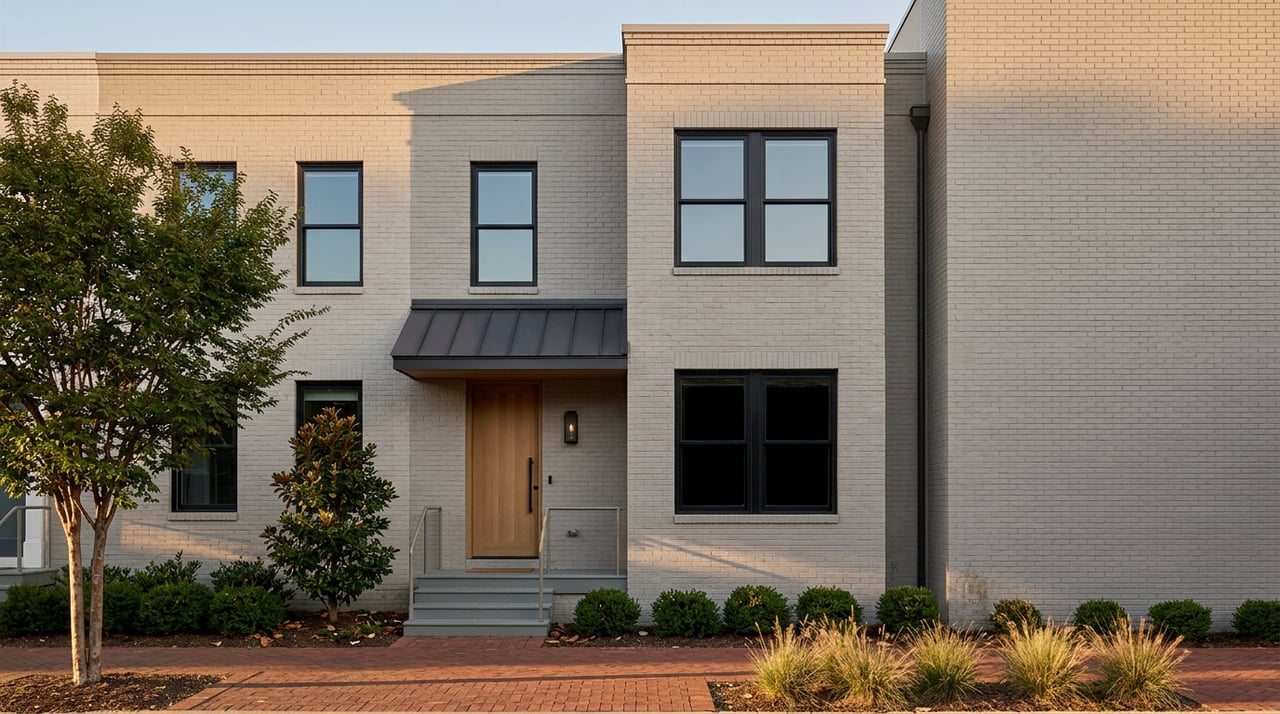
Why a Newly Built Property Can Fit the Way You Live Today.
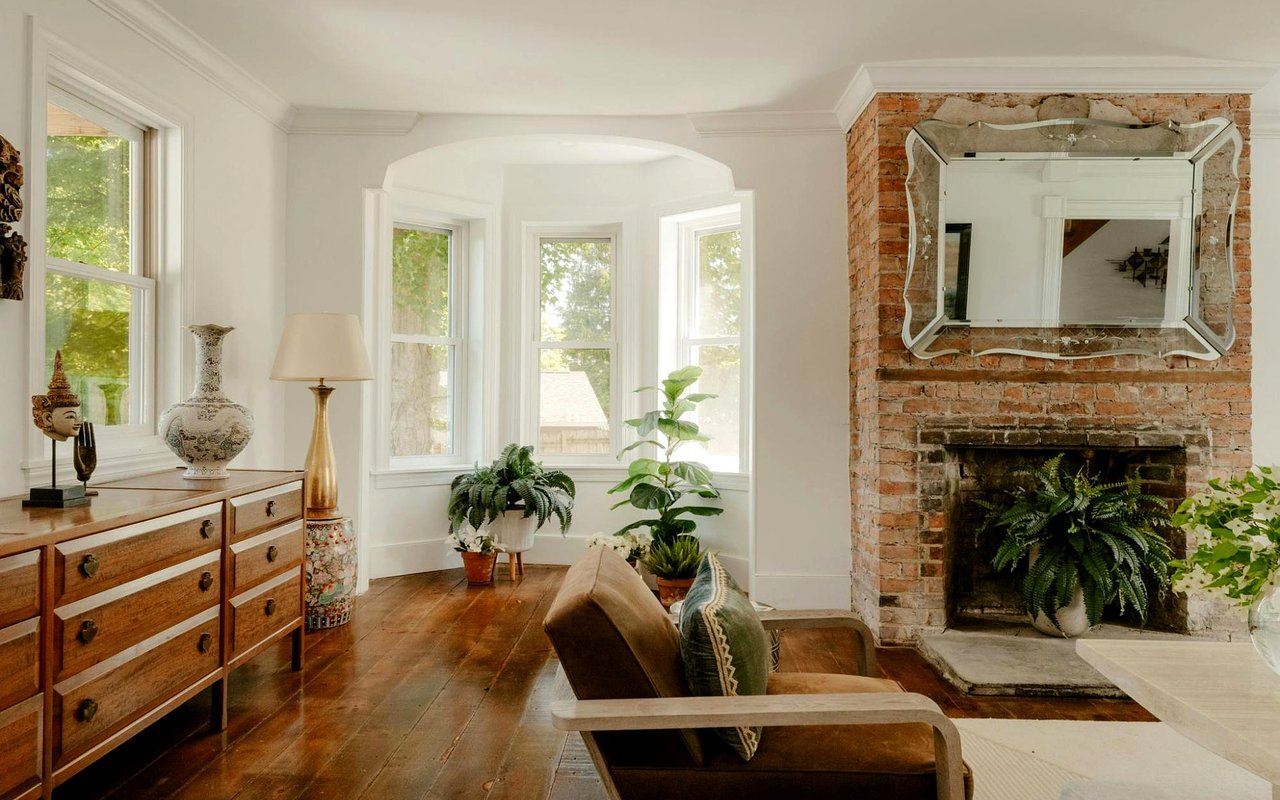
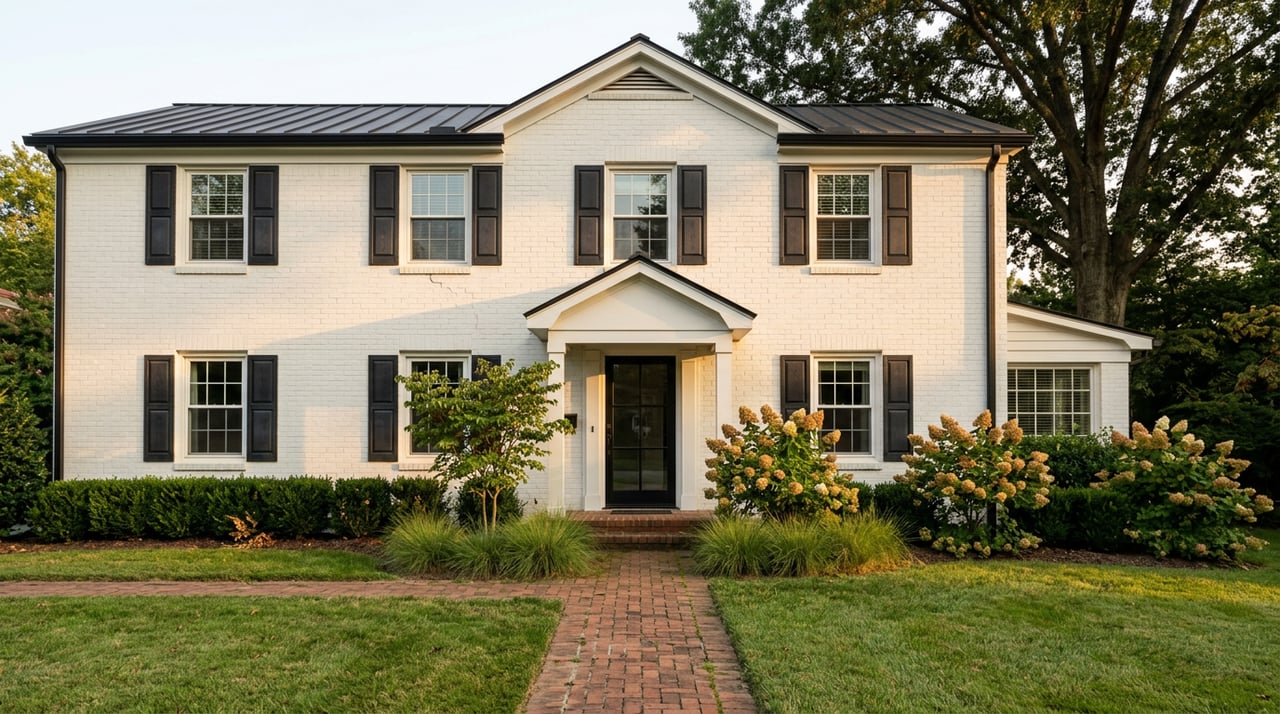
A Design Approach That Respects Original Detail in Brookhaven's Landmark Estates.

The metro is home to neighborhoods with high individual walkability scores.
At SET Real Estate Group, they are passionate about helping clients fulfill their real estate goals. As a team, they don't look at every sale or purchase as just another transaction, but as opportunities to cultivate lasting and meaningful relationships with each of their clients.