Historic Brookhaven vs Brookhaven Village: How To Choose
June 25, 2026
June 25, 2026
If you are deciding between Historic Brookhaven and Brookhaven Village, you are really choosing between two very different ways to live in Brookhaven. One leans residential, established, and architecture-driven. The other leans walkable, mixed-use, and transit-connected. This guide will help you compare home styles, day-to-day convenience, commute patterns, and price so you can narrow in on the pocket that fits you best. Let’s dive in.
Historic Brookhaven and Brookhaven Village are both well-known parts of Brookhaven, but they offer very different experiences. The clearest distinction is this: Historic Brookhaven is an older residential district shaped around a historic golf-course setting, while Brookhaven Village is a station-area district centered around Dresden Drive and the Brookhaven/Oglethorpe MARTA station.
That difference affects almost everything else. It shows up in the street pattern, the housing mix, the feel of the neighborhood, and how you move through your day. If you start with the lifestyle you want, the choice usually becomes much easier.
Historic Brookhaven is defined by its long-established residential character. Planning materials describe it as a neighborhood with unique homes, mature tree canopy, curving streets, and a strong emphasis on preservation, with little expected change beyond green-space and mobility improvements.
For you as a buyer, that usually means a more stable and house-focused setting. Instead of a retail-centered core, the neighborhood is known for larger lots, setbacks, and a quieter residential feel.
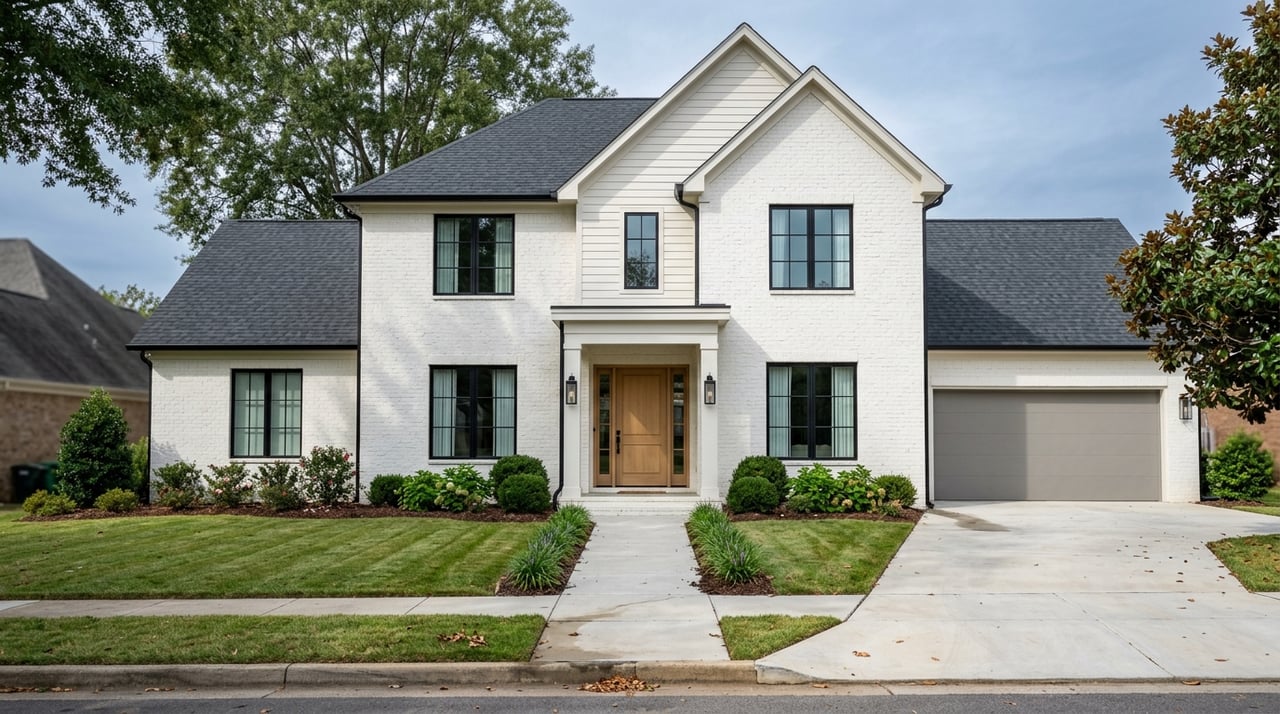
Historic Brookhaven is known for one- and two-story single-family homes on long lots with deeper setbacks. The National Register nomination highlights Colonial Revival and Georgian Revival as the most common styles, along with Cape Cod, Norman Revival, and some later ranch infill.
In practical terms, the architecture often feels more formal and legacy-oriented. If you are drawn to symmetry, traditional design, and a neighborhood where the homes are a major part of the appeal, this pocket tends to stand out.
This is the more private, residential option of the two. The layout and land-use pattern point to a day-to-day routine that is less centered on walking to restaurants or hopping on rail, and more centered on home, lot size, and easy access by car.
That does not mean you are cut off from convenience. Buyers often like the access to Peachtree Road and the close-in location near the Lenox corridor, especially if they want a residential setting with strong proximity to major Atlanta destinations.
Brookhaven Village has a different identity from the start. The city describes Brookhaven as having walkable urban village centers on Dresden Drive, and planning around the Brookhaven/Oglethorpe station has long focused on a village center with office, retail, and residential uses around open space.
Recent city projects reinforce that pattern. City Centre sits by the MARTA station, and Woodley Plaza anchors Parkside on Dresden, which the city describes as a place where people can live, dine, work, shop, and play within walking distance.
Brookhaven Village has a more mixed housing stock. Planning documents describe new office-and-townhome development, mixed-use nodes, and additional multifamily and mixed-use residential forms along the corridor.
You will also find a wider range of home types and ages here. Reports describe a blend of bungalows, Colonial Revival, Craftsman, traditional homes, newer three-story homes, and townhomes, with smaller lots than Historic Brookhaven and a stronger presence of attached housing.
Brookhaven Village is the more walkable and rail-friendly option. The Dresden District was created to encourage social activity and pedestrian traffic, and it is designed so people can walk between participating businesses.
If you like the idea of stepping out for dinner, errands, or a quick meet-up without always getting in the car, this pocket fits that pattern better. It also makes sense for buyers who want neighborhood convenience tied to MARTA access.
For many buyers, this is the deciding category.
Historic Brookhaven is not the transit-centered choice. City planning points to sidewalk, bikeway, and connectivity improvements, which suggests a neighborhood where mobility upgrades matter because daily life has traditionally been more car-oriented.
That can still work very well if your priorities are different. If you care more about lot size, architectural character, and a quieter residential rhythm, you may not mind driving for more of your daily needs.
Brookhaven Village is the stronger fit if transit matters to you. Brookhaven/Oglethorpe station is on MARTA’s Gold Line, with service to places including Chamblee, Lenox, Midtown, and the airport, plus local bus service and station parking.
That creates a very different routine. If you want the option to use rail for work, events, or airport trips, Brookhaven Village offers the more natural setup.
The choice between these two areas is also a choice about the kind of home you want to maintain.
Historic Brookhaven skews toward larger single-family homes on larger lots. One neighborhood guide reports an average lot size of about 21,344 square feet, which supports the area’s estate-style reputation.
Brookhaven Village trends smaller in lot size and more varied in product type. That often means lower-maintenance options, especially if you are comparing townhomes or newer vertical homes to a larger traditional property.
If you want more outdoor space and a classic single-family layout, Historic Brookhaven is usually the better fit. If you want a more compact footprint or attached housing with a walkable setting, Brookhaven Village may feel more practical.
Price is another major separator, but it helps to think in ranges instead of one hard number. Different data sources use different time frames and boundaries, so the exact figure can vary.
Citywide, Brookhaven’s median sale price is about $757,000, and the city’s home-value index is about $752,000. Within that broader market, Historic Brookhaven tends to sit at the higher end, while Brookhaven Village usually comes in lower, though still in Brookhaven’s upper market tier.
Historic Brookhaven is generally a seven-figure neighborhood. Recent figures in the research report include a median sale price of $1.225 million from Redfin, a neighborhood home-value index of about $1.869 million from Zillow, and a 12-month median sale price of $910,000 from Homes.com, with a median single-family sale price of $1.425 million.
The exact number depends on the source and metric, but the broader message is consistent. This is the higher-priced option, and its larger lots and larger homes help explain that premium.
Brookhaven Village covers a broader spread of price points. Recent figures in the research report include a median sale price of about $700,000 from Redfin and a 12-month median sale price of $635,000 from Homes.com.
The housing mix also creates more variation. Homes.com reports older homes from roughly $440,000 to $980,000, newer three-story homes around $1 million to $1.6 million, and townhomes around $500,000 to $900,000.
If you are stuck between the two, try framing the decision around how you want your home and neighborhood to work for you.
The cleanest way to compare these neighborhoods is to ask yourself what matters most on an average Tuesday. Do you picture a larger home on a larger lot, with architecture and privacy leading the decision? Or do you picture being close to Dresden Drive, walking to nearby spots, and having MARTA in the mix?
Neither choice is better across the board. They simply serve different priorities, and that is why buyers can have a strong preference for one over the other once they see the tradeoffs clearly.
If you want help comparing specific streets, home types, or current opportunities in either area, the local context matters. The team at SET Real Estate Group can help you narrow the options and build a strategy around how you actually want to live in Brookhaven.
Stay up to date on the latest real estate trends.

Understanding the Mortgage Pre-Approval Process Before You Start House Hunting.

The Parks, Destinations, and Everyday Conveniences That Shape Brookhaven Living.
What Actually Moves the Needle When Staging Your Home for Sale in Brookhaven, GA.
Discover What Makes Brookhaven One of Metro Atlanta's Most Compelling Places to Invest in Real Estate.

Brunch Spots Worth Building Your Weekend Around.
At SET Real Estate Group, they are passionate about helping clients fulfill their real estate goals. As a team, they don't look at every sale or purchase as just another transaction, but as opportunities to cultivate lasting and meaningful relationships with each of their clients.