By SET Real Estate Group
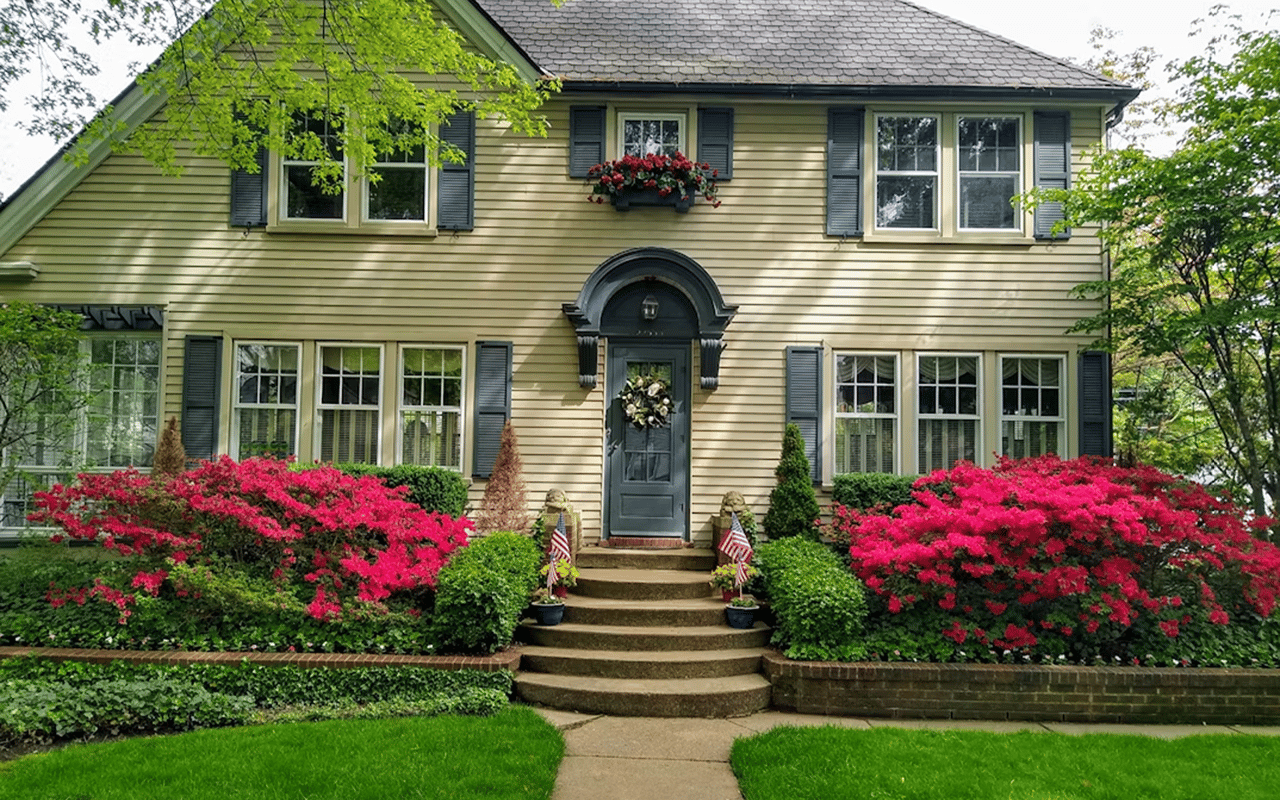
A home's historic district designation changes what a buyer can and can't do to the property, and that distinction matters as much as the home's condition or price. In Historic Brookhaven, exterior changes like additions, window replacements, and paint color often require local review before work begins. Insurance costs run higher too, since older systems and materials carry more risk than new construction. Our team walks buyers through these tradeoffs before falling for a property, since the appeal comes with real, practical constraints attached to it.
Key Takeaways
- Learn what renovation restrictions typically apply to homes in a historic district like Historic Brookhaven.
- Discover why insurance works differently for a historic home than for newer construction.
- Find out what an inspection should cover before you buy a historic property.
- Understand what to ask a seller before making an offer on a historic home.
What Renovation Restrictions Apply to Homes in Historic Brookhaven
Historic Brookhaven sits along Peachtree Road, Windsor Parkway, Mabry Drive, and Peachtree Dunwoody Road, home to architecturally significant estate homes and the Capital City Country Club. A historical property often determines which changes require review and which don't.
Changes That Typically Require Review
- Additions to the home's footprint, which most historic properties are not approved for
- Window and shutter replacements, since these are often considered defining architectural features
- Exterior paint color changes, which can require approval before the work is done
- Any change to the home's visible exterior character, even when the underlying repair is routine
Interior upgrades like HVAC systems, smart thermostats, and energy-efficient lighting typically move forward without the same review process. The distinction comes down to what's visible from the street versus what stays inside the walls.
Why Insurance Works Differently for a Historic Home
Historic homes cost more to insure than comparable new construction. Aging systems and original materials carry more risk of damage than anything built to current code.
What Drives Up the Cost of Coverage
- Older electrical, plumbing, and structural systems that increase the likelihood of a claim
- Repairs required to bring a damaged section up to current building code, adding cost beyond the repair itself
- Rare or obsolete materials and craftsmanship that cost significantly more to replace than standard fixtures
- A replacement cost that often exceeds the home's market value, a common gap with older properties
A standard homeowners policy frequently falls short for a historic property, which is why many of these homes carry a specialized HO-8 policy instead. That policy offers narrower coverage, but it's built specifically for homes where a standard policy doesn't fit.
What an Inspection Should Cover Before You Buy
A historic home requires a different kind of inspection than new construction, since the materials and methods behind the walls are often decades out of date. The right inspector catches details a standard inspection would miss entirely.
What to Confirm Before Closing
- Whether the inspector has direct experience with historic construction methods, not just general home inspections
- What's behind the walls, since plaster construction and older wiring methods behave differently than modern drywall and electrical systems
- Which systems have already been updated versus which remain original to the home
- Documentation of any past permits or approved renovations, particularly for exterior work
Skipping a historic-specific inspection is one of the most common mistakes we see buyers make. The issues that matter most in these homes are rarely those a general inspection is built to catch.
Frequently Asked Questions
Is it harder to sell a home in a historic district later on?
Homes in a designated historic district often sell at a premium tied to their character and architecture, though the buyer pool narrows to those willing to work within the district's restrictions. We factor that pool into pricing and marketing whenever a historic property goes on the market.
Do all older homes in Brookhaven fall under historic district rules, or just specific properties?
Historic district designation applies to homes within Historic Brookhaven's defined boundaries, not every older home across the broader Brookhaven area. We confirm a property's status before a buyer assumes any restrictions apply to it.
What should I ask a seller before making an offer on a historic home?
We recommend asking directly about what's been updated, what permits were pulled for past work, and whether any additions or exterior changes went through the required review process. Sellers who've owned the home for years often have documentation on hand that saves a buyer real time later.
Contact SET Real Estate Group Today
Buying a historic home in Brookhaven means weighing its character against the practical realities of owning it, from what you're allowed to change to what it costs to insure and maintain. We walk every historic-home buyer through both sides of that equation before they make an offer.